The most important improvements often start with the building envelope, because that is what keeps heat in, heat out, and moisture where it belongs. Insulation upgrades, especially in attics, basements, and rim joists, are still among the highest-value changes a homeowner can make. Pairing insulation with careful air-sealing around windows, doors, and penetrations reduces drafts and makes heating and cooling systems work less. That translates into enhanced comfort and lower monthly costs, both of which matter to buyers who are watching budgets more closely.
Windows are part of the same story. Replacing old units with modern, well-sealed, energy-efficient models helps with thermal comfort and noise, particularly in urban areas or near busy roads. For homeowners not ready to replace all windows at once, even targeted changes like upgrading the most exposed windows or adding quality storm inserts, can improve performance.
High-efficiency furnaces and boilers remain attractive, but many buyers now look for heat pumps or hybrid systems that offer efficient heating and cooling in one package. In cooler regions, cold-climate heat pumps are becoming more common, particularly when paired with smart thermostats that allow scheduling and zoned comfort.
With heavier rainfall events in many regions, buyers pay attention to gutters, downspouts, grading, and sump pump setups. Extensions that carry water well away from the foundation, clean eavestroughs, and a yard that slopes subtly away from the house are simple features that reduce worry. In basements, a sump pump with a battery backup or water-level alarm can be a strong selling point.
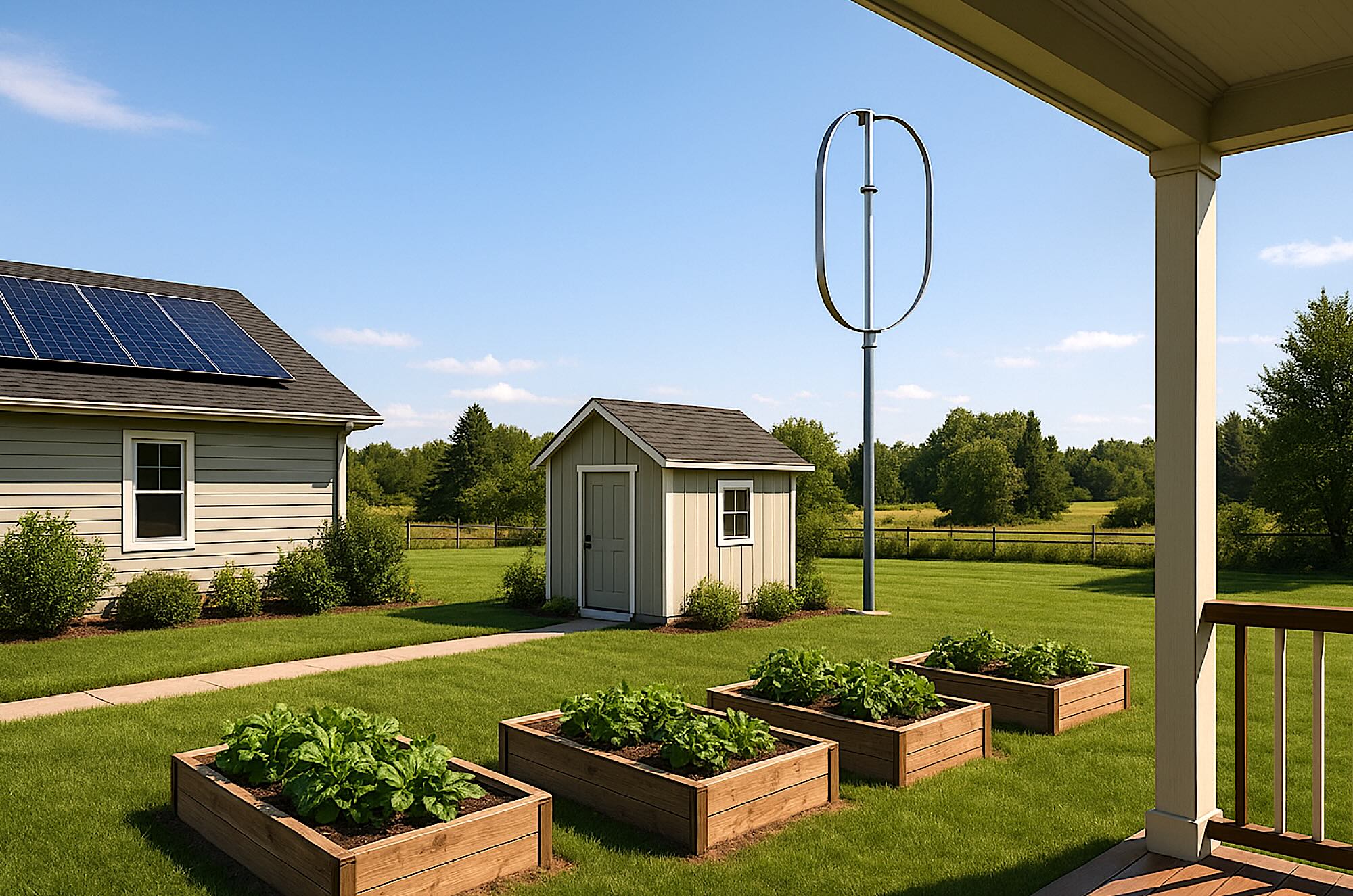
Backup power and resilience upgrades are also showing up more often. In some areas, that means a professionally installed standby generator. In others, it might mean a smaller, quieter setup: a battery backup system that keeps essentials running, or a home that is “solar-ready,” with roof condition and electrical capacity prepared for future panels.
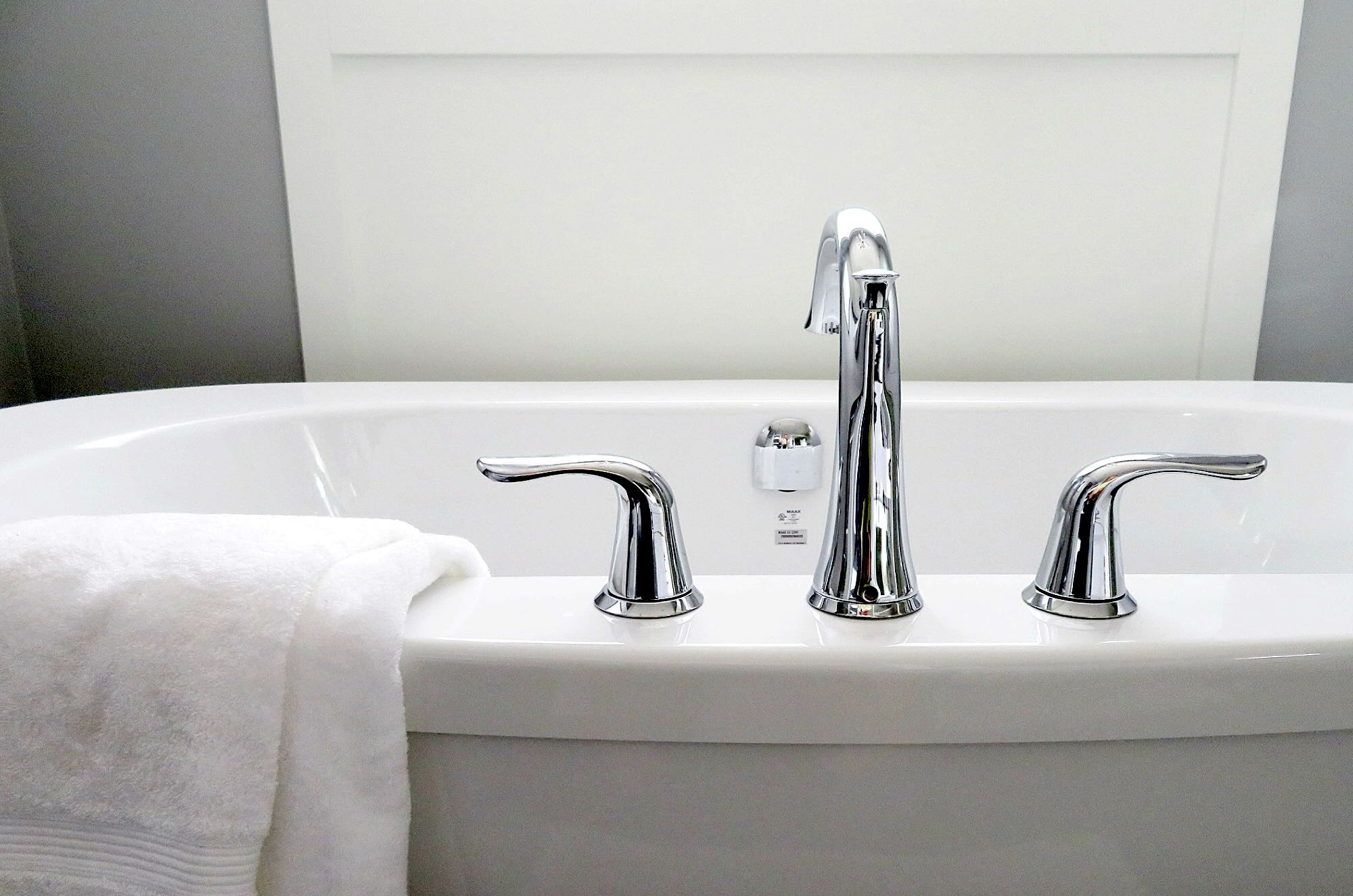
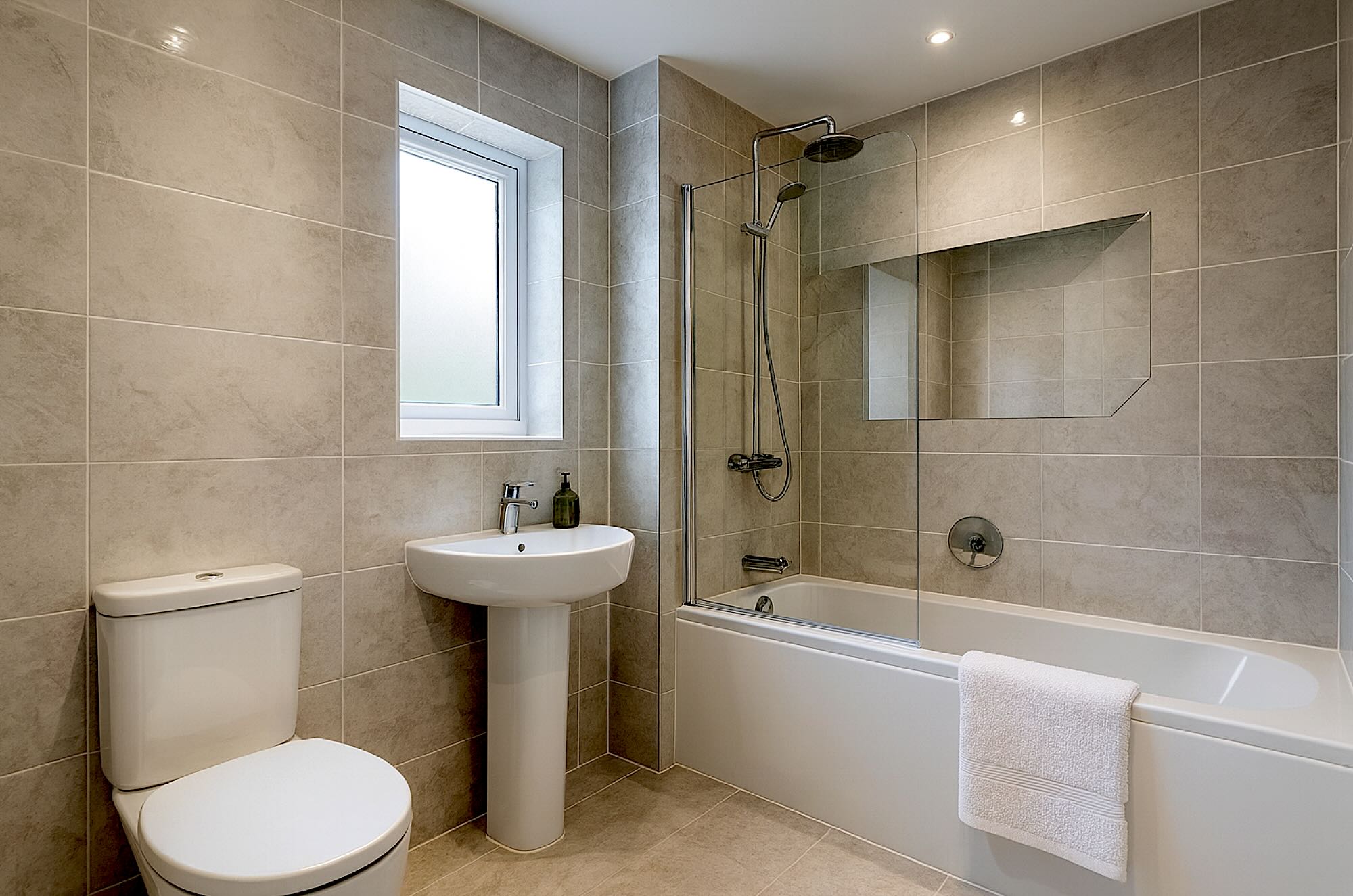
Inside the home, water efficiency continues to matter, partly for cost, partly for sustainability. Low-flow toilets, efficient shower heads, and modern fixtures that reduce waste without reducing comfort are attractive because they lower utility bills quietly over time. In drought-prone regions, rain barrels, drip irrigation, and thoughtful plantings that reduce outdoor water demand make a similar impression.
For sellers, the practical question is how to prioritize. Not every upgrade is necessary, and not every market values the same things equally. The most reliable approach is to start with your own comfort and protection: insulation, air sealing, and water management. Then, if budget allows, focus on high-efficiency mechanical systems and resilience features that reduce worry about outages or extreme weather.