
A backyard with a clear, intentional play zone signals that the outdoor space is usable, not an afterthought. When buyers can see where children will climb, dig, or gather, the yard feels like a second living room outdoors. That emotional clarity often translates into stronger interest, better showings, and a home that stands apart from similar listings.
The strength of this feature depends on one thing: trust. A play structure adds value only when it feels safe and well cared for. A few safety fundamentals keep the feature positive rather than questionable: stable construction, secure anchoring, a soft fall surface under climbing or swinging areas, and clear sight lines from main living spaces so adults can supervise without hovering.
Among the most recognizable upgrades are climbing structures and jungle gyms. When chosen well, they organize the backyard around a purposeful activity zone. Natural wood tends to age gracefully and blends into landscaping better than bright plastic that fades and cracks. Multi-use designs serve a wider age range and feel like a meaningful amenity rather than a single-purpose toy. Placement helps as well.
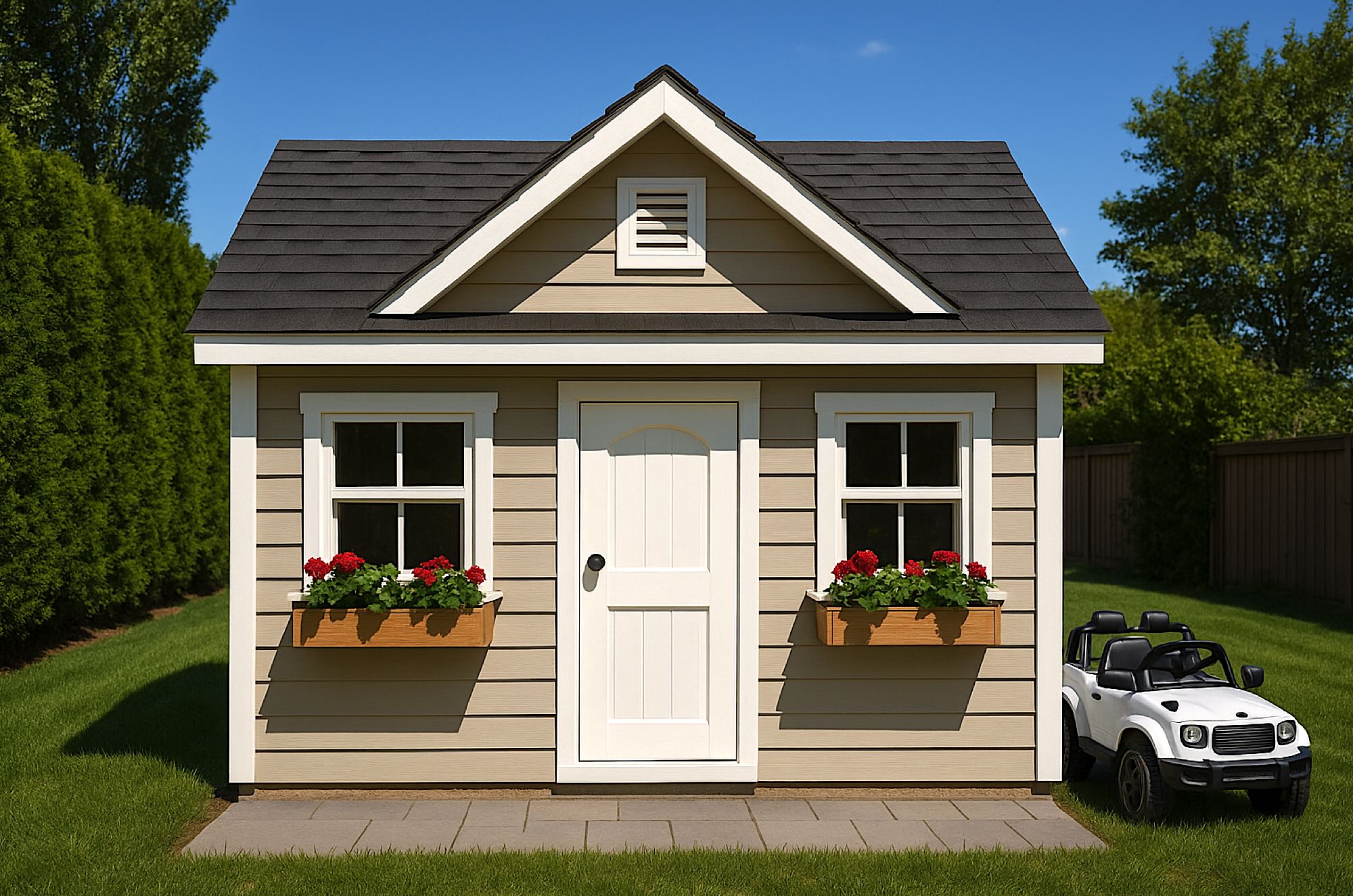
Playhouses offer a different kind of value. They turn a backyard into a place with destinations. A simple, tidy playhouse creates a sense of charm that buyers immediately understand. Design choices make a difference here. A playhouse that echoes the home’s style with neutral paint, neat trim, a small porch, and perhaps a window box feels integrated rather than make-believe. Over time, many of these structures can transition into garden sheds, reading nooks, or hobby storage, which makes them appealing even to buyers who don’t need a playground.
Then there are the creative builds that have quietly become a hallmark of modern family yards. A freebie wooden boat repurposed as a “pirate ship” playground, a reclaimed-wood fort platform for making tents and having sleepovers, or a row of sturdy logs used as balance paths can ignite the imaginations of kids. The same safety expectations apply: smooth, sealed surfaces, stable footing, and a design that doesn’t introduce hidden pinch points or sharp corners.
Ground-level play zones deserve equal respect. A sandbox, for example, is simple, inexpensive, and consistently loved by younger children. A framed box with good drainage and a cover to keep it clean can anchor a play corner without dominating the yard. Adding a shade sail or a nearby bench makes it comfortable for both children and caregivers. Mud kitchens, water tables, or small “dig and build” areas work in a similar way. They are low-risk, high-use features that encourage sensory play and keep activity close to home.
For sellers and agents, presentation is straightforward. Photograph the play area clean, with space around it so buyers can understand scale. Describe it as family-ready outdoor living, not a pile of toys. If the likely buyer pool isn’t family-focused, point to adaptability: the playhouse can become storage, the sandbox can become a garden bed, the fort platform can become a lounging deck. The message is that the yard is versatile and thoughtfully used.