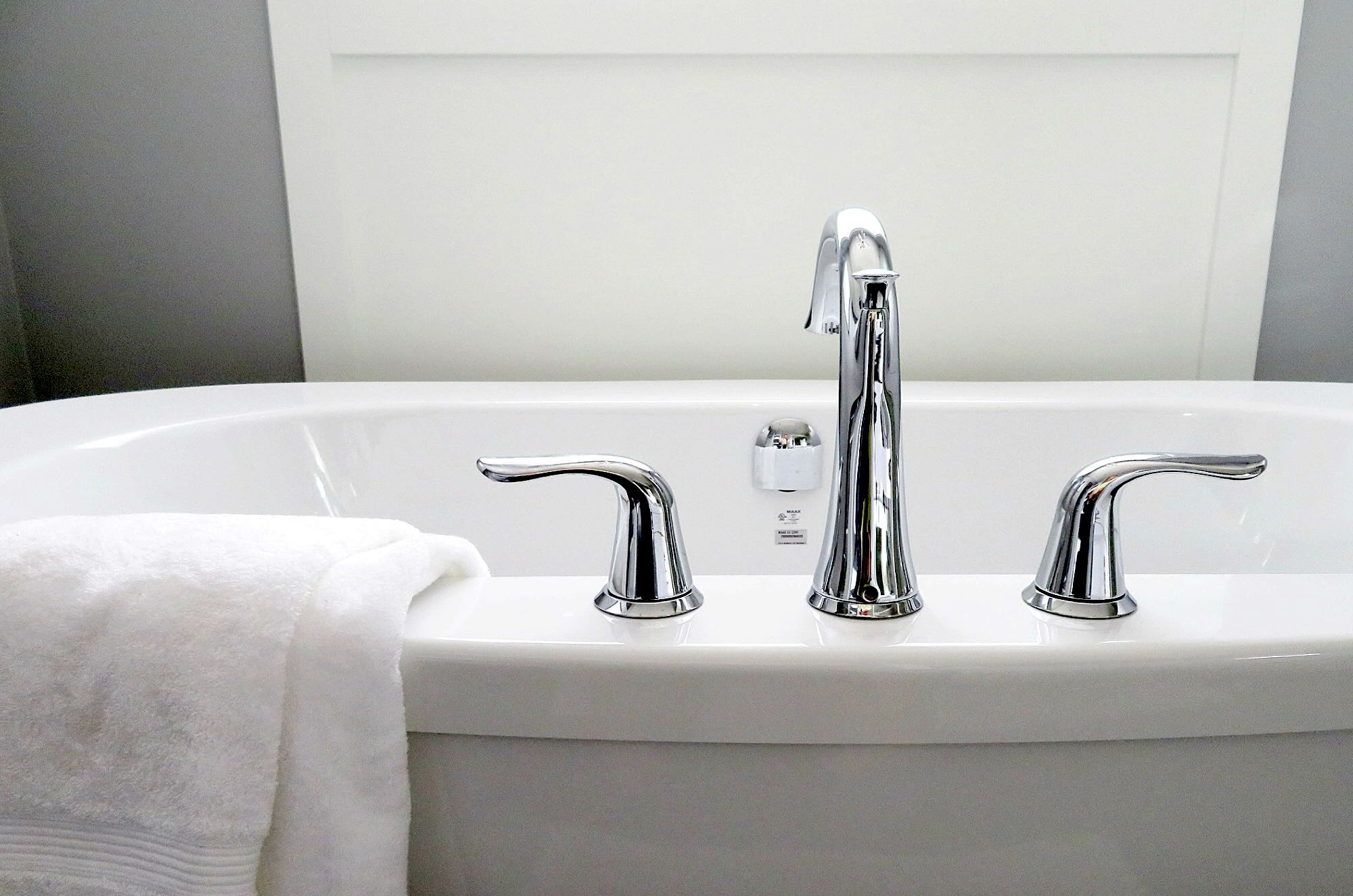
A conventional tank keeps a large volume of water hot at all times, whether you will use it or not. The tankless approach reverses that logic. Instead of maintaining heat in a stored supply, the system heats water as it passes through. When a tap opens, the unit senses flow and begins heating, and when the tap closes, it stops. In a well-chosen and properly sized system, this means you can run a shower without worrying about being the third person in line, or fill the tub for a long, deep soak. The water keeps coming as long as demand stays within the capacity of the unit.
A thoughtful installation looks at how many fixtures may run at the same time and chooses equipment accordingly. A too-small unit will produce less hot water when there are demands from a washing machine, a tub, and a shower at the same time. In some homes, particularly larger ones, more than one tankless unit or a combination of systems makes sense. There are even micro units for vanity bathrooms for instant hot water. The goal is to match real patterns of use with the right equipment.
One of the appealing aspects of tankless systems is their potential efficiency. Because they do not keep water hot around the clock, they can reduce standby losses. Over time, the reduction in wasted energy may show up in utility bills, although actual savings depend on usage habits, local fuel costs, and the existing system’s age and condition.
Preheaters offer another layer of refinement. A preheater can capture warmth from outgoing greywater or solar input, raising the temperature of water before it enters the main heater. This means the tankless unit does less work to bring water up to the desired temperature, which can further improve efficiency.
However, as with any technical system, there are trade-offs. Tankless units typically require a more concentrated burst of energy when they fire, whether gas or electric. Gas models may need larger-diameter gas lines and venting. Electric versions can place significant demands on an older home’s electrical panel, sometimes necessitating upgrades. Maintenance expectations are different as well. In areas with hard water, tankless heaters benefit from regular descaling to keep internal passages clear. Anyone considering a shift will want to understand what ongoing care the new system will need and whether that fits comfortably into their way of managing the home.
A well-installed tankless system will enhance a property’s appeal. Prospective buyers who have experienced running out of hot water in previous homes tend to appreciate the reliability. Those who think carefully about energy use often recognize the logic of heating water on demand. At the same time, the presence of modern, efficient mechanical systems signals that the home has been updated with attention rather than left to age untouched. This can be reassuring, particularly to buyers who are hoping to avoid immediate major upgrades after a move.
If you are thinking about making a change, it can be helpful to start by observing your own habits. Notice when hot water is most in demand, how many fixtures run at once, and how often you truly run out with your current tank. Gather information about your home’s gas, electrical, and plumbing capacities, and speak with professionals who can offer options. Endless hot water is a pleasant phrase, but the deeper reward is a system that works reliably, day after day.